

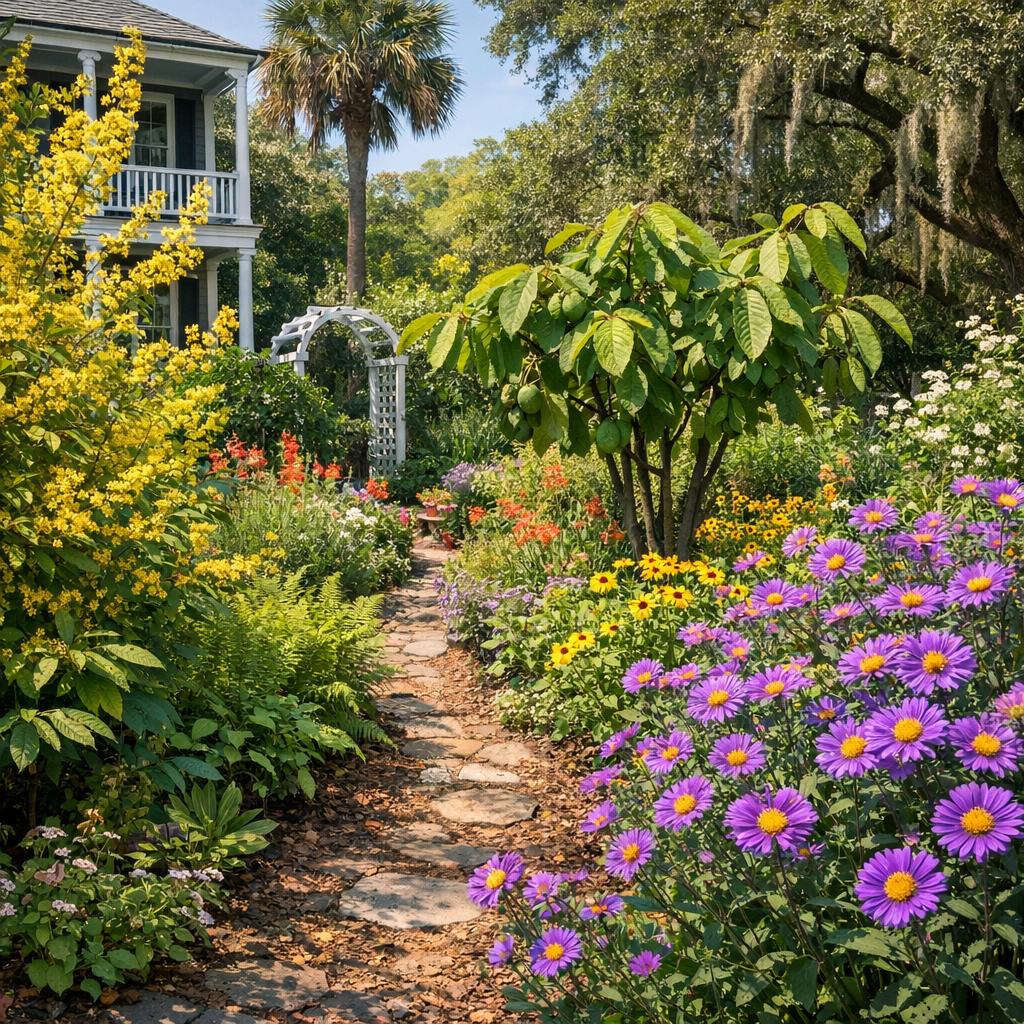
Charleston, West Virginia, boasts a rich tapestry of native flora that not only beautifies our landscapes but also plays a crucial role in supporting local ecosystems. By integrating native plants into our gardens, we can create habitats that nurture wildlife, promote biodiversity, and maintain the natural heritage of our region.
Why Choose Native Plants?
Native plants have evolved over time to thrive in our specific climate and soil conditions. This adaptation means they require less maintenance, are more resistant to local pests, and are better suited to withstand the weather patterns unique to Charleston. Moreover, they provide essential resources for native pollinators, birds, and other wildlife, fostering a balanced and healthy environment.
Popular Native Plants for Charleston Gardens
Incorporating native species can transform your garden into a vibrant and sustainable space. Here are some native plants well-suited for Charleston gardens:
1. Spicebush (Lindera benzoin)
A deciduous shrub that offers aromatic leaves and bright red berries, attracting various bird species.
2. Pawpaw (Asimina triloba)
Known for its large, tropical-like leaves and edible fruits, the pawpaw tree adds both aesthetic and culinary value.
3. New England Aster (Symphyotrichum novae-angliae)
This perennial produces vibrant purple flowers in late summer and fall, providing nectar for pollinators.
4. Goldenrod (Solidago spp.)
With its bright yellow flowers, goldenrod supports a variety of pollinators and adds a splash of color to the landscape.
5. Eastern Redbud (Cercis canadensis)
A small tree that blooms with pink flowers in early spring, signaling the arrival of warmer weather.
Resources for Native Plant Enthusiasts
For those interested in exploring native plants further, the West Virginia Native Plant Society offers a wealth of information and resources. Their website provides lists of common native plants and suppliers, making it easier for gardeners to source appropriate species. Additionally, the Mary Price Ratrie Arboretum in Charleston serves as an educational resource, showcasing a diverse collection of native and ornamental trees within its 179-acre grounds. Visitors can enjoy tailored trails and learn about various plant species through QR-coded labels.
By choosing native plants for our gardens, we not only enhance the beauty of our surroundings but also contribute to the preservation and appreciation of West Virginia’s unique plant heritage.