

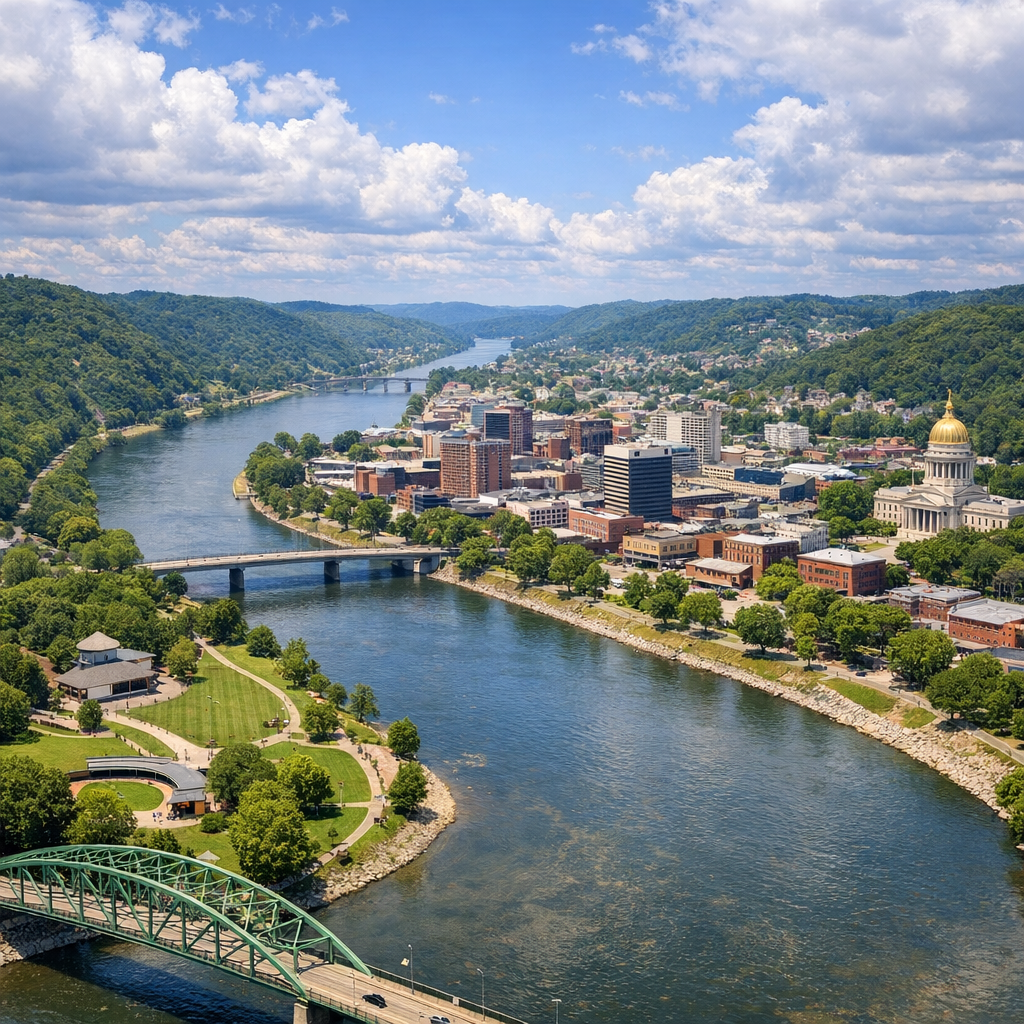
Charleston, West Virginia, experiences a humid subtropical climate characterized by warm, humid summers and short, cold winters. Average temperatures range from 27°F in the winter to 85°F in the summer, with annual precipitation averaging around 44 inches. This climate supports diverse ecosystems and offers residents a variety of seasonal activities.
Climate Trends and Changes
Over the past century, Charleston has seen a gradual increase in average temperatures and a rise in heavy rainfall events. These changes can lead to more frequent flooding and pose challenges to local infrastructure and natural habitats. Understanding these trends is crucial for developing effective adaptation and mitigation strategies.
Local Environmental Initiatives
Several programs in Charleston are dedicated to environmental conservation and sustainability:
Charleston’s Green Team
Established in 2021, the Green Team is a volunteer advisory body that provides recommendations to the city’s administration on energy efficiency, land use, water resources, and recycling. Their mission is to promote a connected, vibrant, and sustainable Charleston, positioning the city as a leader in climate resilience within West Virginia.
REAP (Rehabilitation Environmental Action Plan)
Since 2005, REAP has been instrumental in cleaning up West Virginia by addressing litter and illegal dumping. The program collaborates with citizens, businesses, and other organizations to promote a cleaner environment through various initiatives, including the annual Make It Shine Spring Cleanup.
River Proud Program
Charleston’s Stormwater Department launched the River Proud Program to recognize residents who implement practices that reduce stormwater runoff and pollution. By adopting measures such as green infrastructure, rainwater harvesting, and planting native vegetation, participants contribute to the health of the Elk and Kanawha rivers.
Community Involvement
Residents are encouraged to participate in these programs to help mitigate the impacts of climate change and preserve Charleston’s natural beauty. Volunteering for cleanup events, adopting sustainable practices at home, and staying informed about local environmental policies are effective ways to contribute to the community’s resilience.
By understanding our local climate and engaging in proactive environmental initiatives, Charleston can continue to thrive as a vibrant and sustainable community.