

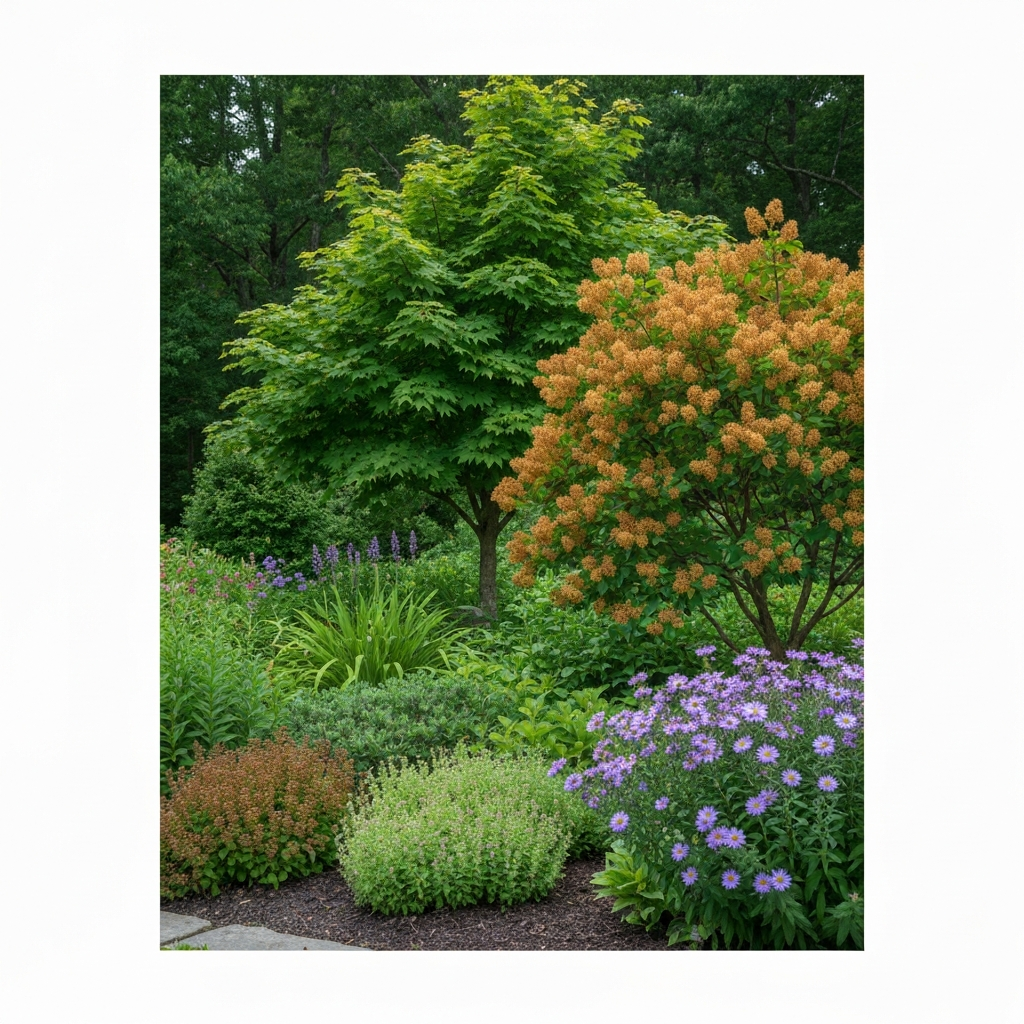
Charleston, West Virginia, is home to a rich tapestry of native plant species that contribute to the region’s unique biodiversity. Understanding and incorporating these plants into our landscapes not only enhances the natural beauty of our surroundings but also supports local wildlife and promotes ecological balance.
Why Choose Native Plants?
Native plants are those that have evolved in a specific region over thousands of years, adapting to the local climate, soil, and wildlife. In Charleston, these plants are well-suited to the humid subtropical climate, characterized by warm summers and cool winters. By choosing native species for gardening and landscaping, residents can enjoy several benefits:
- Low Maintenance: Native plants are adapted to local conditions, requiring less water, fertilizers, and pesticides.
- Wildlife Support: They provide essential habitat and food sources for local pollinators, birds, and other wildlife.
- Soil Health: Deep-rooted native plants help prevent soil erosion and improve soil structure.
Notable Native Plants of Charleston
Charleston’s diverse ecosystems support a variety of native plant species. Here are some notable examples:
Trees
- Sugar Maple (Acer saccharum): Known for its brilliant fall foliage, this tree thrives in the region’s forests.
- White Oak (Quercus alba): A majestic tree providing acorns that are a vital food source for wildlife.
Shrubs
- Spicebush (Lindera benzoin): This aromatic shrub produces red berries that attract birds.
- Mountain Laurel (Kalmia latifolia): Featuring beautiful clusters of pink or white flowers, it’s a highlight in local woodlands.
Wildflowers
- New England Aster (Symphyotrichum novae-angliae): With vibrant purple flowers, it blooms in late summer and attracts pollinators.
- Goldenrod (Solidago spp.): A late-blooming plant providing nectar for bees and butterflies.
Combating Invasive Species
While native plants offer numerous benefits, invasive non-native species pose a significant threat to Charleston’s ecosystems. These plants can outcompete native species, leading to reduced biodiversity. Common invasive plants in the area include:
- Garlic Mustard (Alliaria petiolata): A rapidly spreading plant that displaces native wildflowers.
- Japanese Knotweed (Fallopia japonica): Known for its aggressive growth, it can dominate riverbanks and roadsides.
Residents are encouraged to remove invasive species from their properties and replace them with native alternatives. The West Virginia Native Plant Society provides resources and guidance on identifying and managing invasive plants.
Getting Involved
Embracing native plants is a community effort. Here are ways to get involved:
- Join Local Organizations: Groups like the West Virginia Native Plant Society offer workshops, plant sales, and volunteer opportunities.
- Attend Native Plant Sales: These events provide access to a variety of native species suitable for home gardens.
- Educate Yourself and Others: Learn about the native flora and share knowledge with neighbors to promote widespread adoption.
By incorporating native plants into our landscapes, we contribute to the preservation of Charleston’s natural heritage and support the health of our local ecosystems.